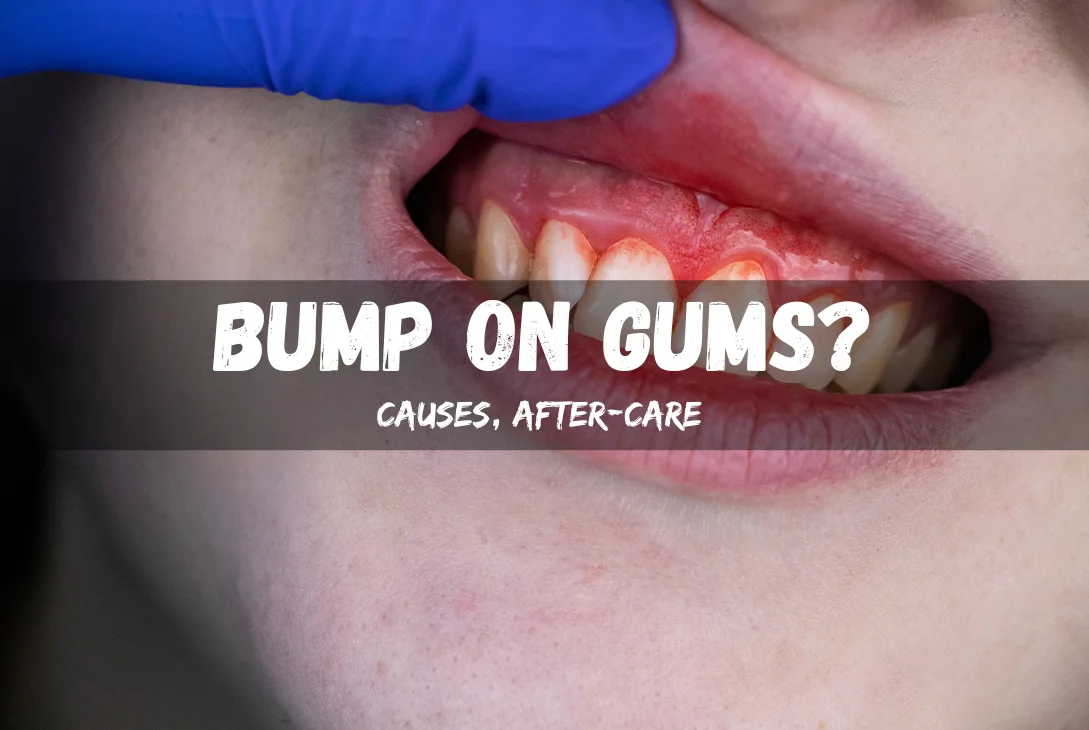
What’s Behind This Painful Bump on Gums?
A gum lump could indicate an underlying infection, cyst, or canker sore. Gum bumps are often not dangerous, but if they cause you a lot of discomfort, don’t go away, or worry you, you should see a doctor or dentist. https://healthylifemanager.com/bump-on-gums/
Gum soreness or irritation is a common occurrence for many people. Gum discomfort and irritation are frequently caused by an accumulation of plaque and other microorganisms. Gum bleeding and redness can also result from this accumulation. What if you have a bump on gums?
Although discovering a new bump on your body can be frightening, a bump on gums is typically not a medical issue. To assist you in identifying whether a bump on gums could indicate something more serious, we’ll go over seven of the most typical causes.

1. Cyst
A cyst is a tiny bubble that contains liquid, air, or other soft substances. On the gums surrounding your teeth, dental cysts may develop.
The majority of dental cysts develop near the roots of hidden or dead teeth. They rarely produce symptoms until they get infected, and they grow slowly over time. You may experience some pain and swelling around the bump as a result of this.
Over time, a cyst that is large enough may cause strain on your teeth and weaken your jaw. The majority of dental cysts can be removed with a simple surgical treatment.
2. Abscess
A periodontal abscess is the term for an abscess on the gums. These tiny pustules are the result of bacterial infections. The abscess might have a warm, fuzzy sensation about it. Dental abscesses frequently cause excruciating discomfort.
Among the symptoms are:
- throbbing pain that comes on suddenly and gets worse
- pain on one side that spreads to the ear, jaw, and neck
- pain that gets worse when you lie down
- redness and swelling in your gums or face
You should see a dentist right away if you have a periodontal abscess. They can drain the pus and eliminate the infection’s cause. They could have to extract a tooth or do a root canal, depending on the extent of the infection.
3. Canker sore
Small mouth ulcers known as canker sores can develop at the base of the gums. They are not the same as cold sores, which are brought on by a virus. Even though they are not harmful, canker sores can hurt, particularly if they are inside your mouth.
Canker sore symptoms include:
- white or yellow spots with a red border
- flat or slightly raised bumps
- severe tenderness
- pain while eating and drinking
The majority of canker sores go away on their own in a week or two. To relieve the discomfort in the interim, you can use an over-the-counter medication.
4. Fibroma
One of the most frequent causes of tumor-like lesions on the gums is an oral fibroma. Noncancerous tumors called fibromas develop on inflamed or damaged gum tissue. They typically occur on your gums as a result of discomfort from dentures or other oral appliances.
They may also show up:
- inside your cheeks
- under dentures
- on the sides of your tongue
- on the inside of your lips
Fibromas don’t hurt. They typically feel like smooth, firm lumps in the shape of a dome. Sometimes, they resemble dangling skin tags more. Compared to the rest of your gums, they could appear lighter or darker.
Fibromas typically don’t need to be treated. But if it’s really big, your doctor can remove it surgically.
5. Pyogenic granuloma
A red lump that appears in your mouth, including your gums, is called an oral pyogenic granuloma. Usually, it manifests as an enlarged, easily bleeding mass that is filled with blood. Although the exact origin is unknown, doctors believe that minor wounds and inflammation may be involved.
Hormonal changes may also play a role, as some women experience them during pregnancy.
Typically, pyrogenic granulomas are:
- soft
- painless
- deep red or purple
Usually, the lump is surgically removed as part of the treatment.
6. Mandibular torus
A bony growth in the upper or lower jaw is called a mandibular torus (plural: tori). Although these bony masses are somewhat prevalent, their etiology is unknown to doctors.
Mandibular tori can occur singly or in groups. One or both sides of your jaw may be affected.
They frequently show up on:
- the inside of your lower jaw
- around the sides of your tongue
- below or above your teeth
Mandibular tori can have a range of forms and grow slowly. They seldom ever need to be treated and typically feel smooth and firm to the touch.
7. Oral cancer
Any type of cancer that affects any portion of your oral cavity, including your gums, is referred to as oral cancer or mouth cancer.
On your gums, a malignant tumor may appear as a little growth, bump on gums, or skin thickening.
Additional signs of oral cancer include:
- a sore that won’t heal
- a white or red patch on your gums
- a bleeding sore
- tongue pain
- jaw pain
- loose teeth
- pain while chewing or swallowing
- trouble chewing or swallowing
- sore throat
It’s advisable to follow up with your doctor if you’re concerned that a bump might be cancerous. This will help to relieve your mind and, if necessary, begin treatment as soon as possible.
Gum biopsies can be performed by your physician. During this process, your doctor removes a tiny sample of tissue from the bulge and looks for cancerous cells in it. Your doctor will collaborate with you to develop a treatment plan if the bump is malignant. Chemotherapy, radiation therapy, surgery, or a mix of all three may be used as treatment.
Balanced eating is essential for long-term wellness, providing the body with the fuel it needs to function at its best. By incorporating whole foods, lean proteins, and essential nutrients into your daily meals, you create a foundation for higher energy and better overall health. Healthy Life Manager helps guide these choices, ensuring your nutrition plan is both sustainable and personalised. https://healthylifemanager.com/